A water park can be an attractive leisure and entertainment business in India, but setting one up requires substantial capital. The total investment depends heavily on the park’s size, location, land cost, number of rides, infrastructure, target audience and the level of facilities provided.
For a small or medium-sized water park, the investment can run into several crores, while a large, professionally developed water park with multiple attractions, extensive infrastructure and premium facilities can require significantly higher capital.
Estimated Water Park Investment Cost in India

A broad estimate of the major investment components is:
| Investment Component | Approximate Cost |
| Land | ₹1 crore to ₹15+ crore |
| Civil construction & development | ₹2 crore to ₹10+ crore |
| Water rides & attractions | ₹1 crore to ₹8+ crore |
| Swimming/wave pools & water systems | ₹50 lakh to ₹3+ crore |
| Electrical & utility infrastructure | ₹50 lakh to ₹2 crore |
| Safety & security systems | ₹15 lakh to ₹75 lakh |
| Landscaping & parking | ₹20 lakh to ₹1.5 crore |
| Changing rooms, toilets & lockers | ₹20 lakh to ₹1 crore |
| Ticketing, IT & CCTV | ₹10 lakh to ₹50 lakh |
| Licences, professional fees & approvals | ₹10 lakh to ₹50 lakh |
| Pre-opening marketing | ₹10 lakh to ₹50 lakh |
| Initial working capital | ₹25 lakh to ₹1 crore |
These are indicative ranges rather than fixed market rates. In particular, land cost can change the total project cost dramatically between cities, outskirts and smaller towns.
Land Cost
Land is often one of the biggest expenses in a water park project.
A water park requires much more space than a normal recreational facility because the project needs room for pools, slides, landscaping, parking, restaurants, changing facilities, service areas and future expansion.
Land requirements may vary considerably depending on the concept. A compact park may operate on a relatively smaller parcel, whereas a destination-scale water park may require many acres.
If land is purchased near a major metropolitan city, acquisition costs can become the largest part of the project. Developing the park on the outskirts of a city or in a developing tourism destination may reduce land costs, although accessibility must also be considered.
Construction and Civil Development
Construction represents another major investment.
Expenses can include:
- Swimming pools
- Wave pools
- Children’s pools
- Water-slide structures
- Buildings
- Changing rooms
- Toilets
- Restaurants and food courts
- Ticket counters
- Administrative offices
- First-aid facilities
- Storage areas
- Maintenance rooms
- Roads and internal pathways
The quality of construction is particularly important because water parks continuously deal with water, chemicals, heavy visitor traffic and outdoor environmental conditions.
Water Rides and Attractions
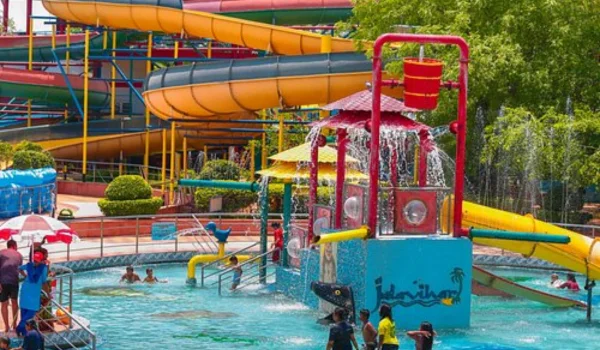
Water rides are one of the most visible investments in the project.
Depending on the park concept, attractions may include:
- Body slides
- Tube slides
- Multi-lane racing slides
- Family raft rides
- Free-fall slides
- Kids’ water play areas
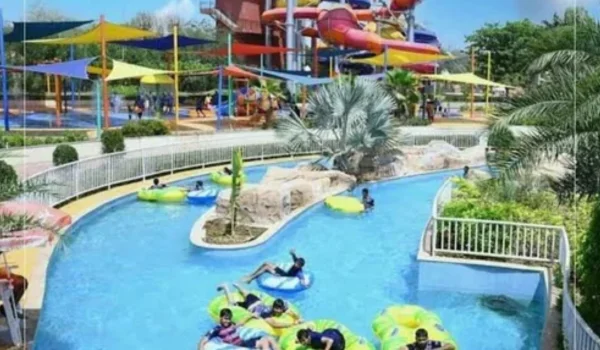
- Lazy rivers
- Wave pools
- Rain-dance areas
The cost varies significantly according to the number, size, technology and manufacturer of the rides.
A small park with a limited number of attractions will naturally require much less investment than a destination park containing a large collection of premium rides.
Water Treatment and Filtration System
A professional water park requires a reliable water management system.
Investment may be required for:
- Filtration systems
- Pumps
- Water circulation systems
- Chemical dosing systems
- Storage tanks
- Water treatment equipment
- Drainage systems
- Water-quality monitoring
These systems are not simply construction expenses. They also create ongoing operating costs because water treatment, electricity, chemicals, maintenance and periodic replacement of components must be budgeted for.
Electrical and Utility Infrastructure
A water park has substantial electricity and utility requirements.
The project may require:
- Electrical transformers
- Backup generators
- Pumps
- Lighting
- Air-conditioning in selected areas
- Water pumps and filtration equipment
- Kitchen equipment
- Ticketing systems
- CCTV
- Communication systems
A proper utility plan should therefore be prepared before construction begins.
Safety and Security Investment
Safety should be treated as a core infrastructure expense rather than an optional feature.
Depending on the park, investment may include:
- Lifeguard stations
- First-aid facilities
- Emergency communication systems
- CCTV cameras
- Public-address systems
- Fire-safety equipment
- Emergency exits
- Safety signage
- Rescue equipment
- Trained safety personnel
The park should also establish clear operating procedures for rides, pools, emergency situations and visitor management.
Changing Rooms, Lockers and Visitor Facilities
Visitor experience can have a major effect on the reputation of a water park.
Facilities may include:
- Separate changing rooms
- Showers
- Toilets
- Lockers
- Drinking-water facilities
- Seating areas
- Rest areas
- Family facilities
- Retail counters
Premium facilities can increase the initial investment but may also provide opportunities for additional revenue.
Food, Beverage and Retail Facilities
Many water parks generate revenue beyond entry tickets.
Possible facilities include:
- Restaurants
- Food courts
- Snack counters
- Cafés
- Ice-cream outlets
- Souvenir shops
- Swimwear stores
These facilities require additional investment in kitchen equipment, interiors, furniture, refrigeration, inventory and staff.
Licences and Approvals
Before opening a water park, the promoter needs to identify and obtain the approvals applicable to the specific location and project.
Depending on the state, municipality, land-use classification and project characteristics, approvals may involve areas such as:
- Land-use permissions
- Building approvals
- Fire-safety requirements
- Electrical approvals
- Water and sewage permissions
- Environmental requirements
- Local authority permissions
- Food-related licences where food is served
- Labour and business registrations
The exact requirements can differ from one state and local authority to another, so professional legal and regulatory advice should be taken during the planning stage.
Marketing and Pre-Opening Expenses
A new water park needs marketing before its official launch.
Initial marketing may include:
- Website development
- Social media marketing
- Search advertising
- Outdoor advertising
- Influencer campaigns
- Local promotions
- Corporate partnerships
- School and group promotions
- Launch events
A strong pre-opening campaign can help create awareness before the park starts operations.
Working Capital
Entrepreneurs often focus heavily on construction costs and underestimate working capital.
A water park needs money for its initial operating period, including:
- Employee salaries
- Electricity
- Water
- Chemicals
- Maintenance
- Security
- Cleaning
- Marketing
- Insurance
- Inventory
- Administrative expenses
It is therefore sensible to maintain a working-capital reserve instead of investing the entire budget into construction and equipment.
Small vs Medium vs Large Water Park
The overall project can be broadly divided into three levels:
Small Water Park
A smaller park with limited rides and basic facilities may require several crores of investment, particularly if land has to be purchased.
Medium Water Park
A medium-scale facility with multiple rides, pools, food facilities, parking and better visitor infrastructure can require ₹5–15+ crore, depending heavily on land and construction costs.
Large Water Park
A destination-scale park with extensive attractions, premium infrastructure, large parking capacity and additional entertainment facilities can require ₹15–30+ crore or substantially more.
These figures should be treated as planning ranges, not quotations. Actual project costs can be considerably different depending on location, land ownership, design, construction standards and equipment specifications.
What Determines Water Park Investment Cost?
The final investment depends mainly on:
- Location
- Land ownership or acquisition cost
- Total land area
- Number and type of rides
- Construction quality
- Water-treatment technology
- Parking capacity
- Visitor facilities
- Safety infrastructure
- Food and entertainment facilities
- Local approvals
- Marketing budget
- Working-capital requirements
Among these, land and ride/infrastructure selection can have an especially significant impact on the overall project budget.
Is a Water Park a Good Investment in India?
The answer depends on location, visitor demand, pricing, competition, seasonality and operating efficiency.
Water parks can experience strong visitor demand during hot weather and holidays, but the business can also be seasonal. Therefore, investors should not evaluate the project only on the basis of ticket sales.
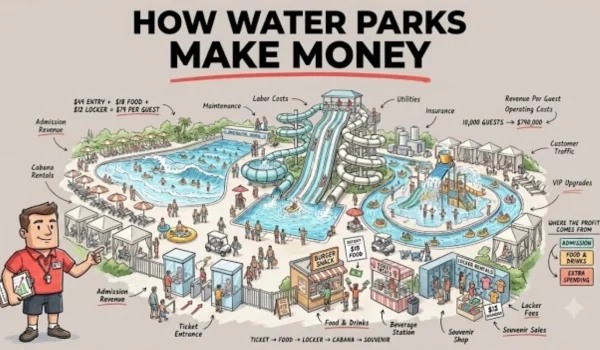
A stronger business model can combine admission tickets with food and beverages, lockers, parking, events, group bookings, merchandise and other visitor services.
Before investing, entrepreneurs should conduct a detailed feasibility study covering local demand, competitors, land accessibility, construction costs, expected visitor numbers, ticket pricing, operating expenses and potential return on investment.
Final Thoughts
Starting a water park in India requires significant capital and careful planning. A small project may require several crores, while larger destination-scale developments can require tens of crores or more.
The most important step is not simply estimating the construction budget. Investors should prepare a complete project report covering land, construction, rides, utilities, safety, approvals, staffing, marketing, operating expenses, revenue assumptions and working capital.
A professionally prepared feasibility study can help determine whether a proposed water park is financially and operationally viable before major capital is committed.